Congress is back and it's time for acronym soup: FISA, CORCA, BAAJA, KOSA, NDAA and more
Buckle up ... it'll be an interesting ride!

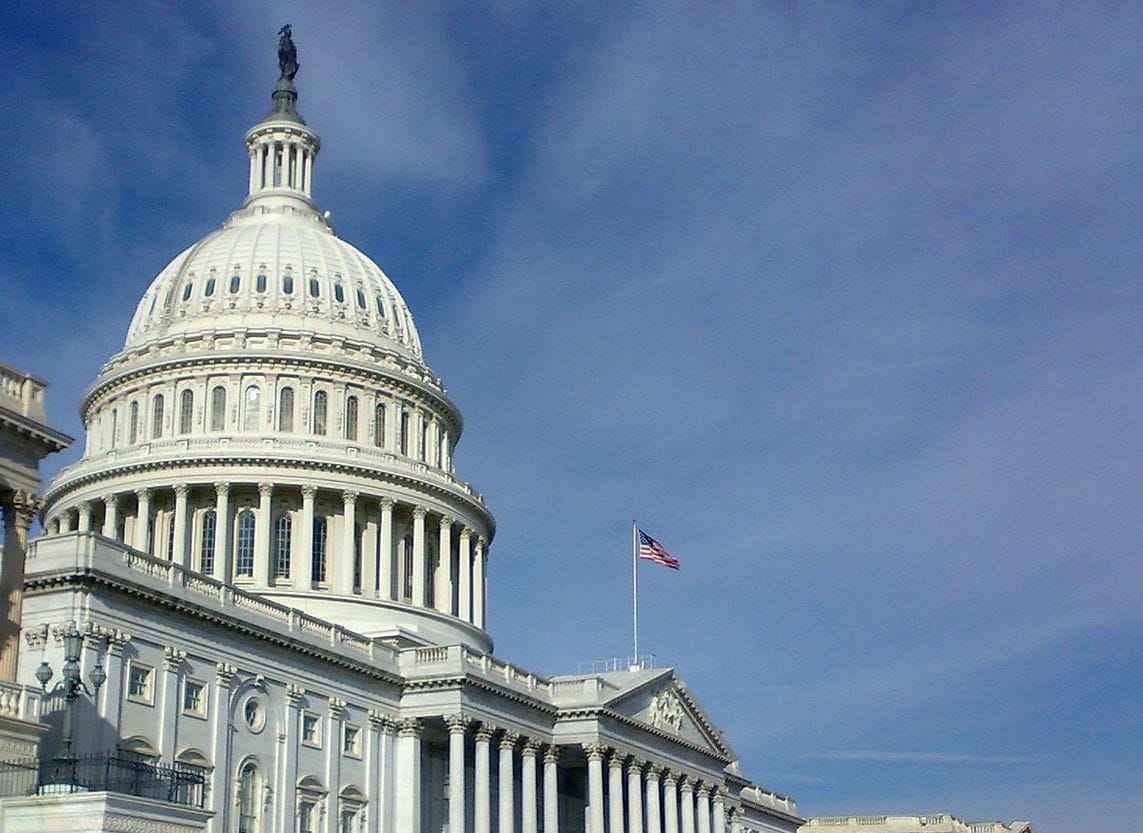
The next Congress will be very different ... but this year's Congress isn't done yet. While leadership battles in both parties and the need to pass a continuing resolution on December 11 to avoid a government shutdown are getting most of attention, there are also a bunch of important bills related to privacy, surveillance, and tech justice.
There aren't a lot of legislating days left, so at this point it's very challenging for bills to pass both Houses. But bills can also be attached to other "must-pass" legislation like the continuing resolution (CR) or the National Defense Authorization Act (NDAA). Sure, it would be a travesty to extend FISA warrantless wiretapping without a vote ... but it could still happen.
So here's a quick roundup of the bills I'm following in Congress over the next six weeks.
- FISA (the Foreign Intelligence Surveillance Act) has currently lapsed, so Congress needs to reauthorize it either in this post-election section or very early next year. Reforms like a warrant requirement and closing the data broker loophole, which have broad public support as well as bipartisan support in Congress, but surveillance hawks will try to re-authorize it with only minor changes.
- The Senate version of the anti-LGBTQIA2S+, anti-youth KOSA (the Kids Online Safety Act) got out of committee in September with bipartisan support, and probably has the votes to get through the Senate. Then again, the House passed a different version of KOSA back in July, and even if the Senate passes something it's not going to be easy to get it through the House. But the same coalition of state Attorneys General that gave a sweetheart deal to Meta by settling a slam-dunk lawsuit for next to nothing is calling on legislators to help Meta even more by passing KOSA, so they're clearly going to try to push it through.
- CORCA (the Combatting Organized Retail Crime Act) would give the Department of Homeland Security (DHS) sweeping new surveillance powers, create a public/private surveillance partnership, and expand DHS's role in domestic law enforcement. With DHS running amok and targeting citizens for voting as well as going after protestors, journalists, and immigrants you'd think it would be a no-brainer for Democrats to oppose CORCA ... but it passed the House earlier this year with bipartisan support.
- BAAJA (the Bipartisan American Affordability and Jobs Act) is usually described as a "permitting reform" bill, but as well as stripping authority from Tribal Nations, making it harder to stop new detention centers, and giving a green light to presidential corruption it's also a gift to data center developers. Again, a "no" vote should be a no-brainer for Democrats. Voters in midterms were overwhelmingly opposed to data centers; 40 out of 41 ballot measures placing restrictions on data centers passed, and Republican candidates' support for data centers cost them dearly. But as the name implies, BAAJA has bipartisan support. So we shall see.
- The STOP CSAM Act would undermine end-to-end encryption and force internet providers to take down lawful content. That's not how it's sold, of course; it's pitched as "protecting kids". Even though it hasn't even gotten a committee vote in either chamber, Senators Hawley and Durbin have been pushing to get it attached to the NDAA.
- And the NDAA also has a very problematic section focused on integrating Israeli technology into US weapons programs, including two-way “data fusion.”
It's a lot, and other stuff might surface as well in the end-of-session chaos. For example, there's a lot of pressure on Congress to do something about "AI", and while they'll probably wait until next session, you never know.
And speaking of "AI" and next session, the Democrats still have to choose leadership for next session. Everybody I talk to expects House Minority Leader Hakeem Jeffries to get the job as Speaker; the Congressional Black Caucus strongly backs him, Progressive Caucus Chair Emerita Pramila Jayapal has announced her support, and at least so far nobody is challenging him. In the Senate, though, Majority Leader Chuck Schumer is facing strong grassroots opposition, and potential opponents like Chris Van Hollen and Elisa Slotkin are clearly considering challenges. Since both of Schumer's daughters work as lobbyist for "AI" companies (Jessica Schmer is at OpenAI, Alison Schumer is at Meta), and Schumer has intervened in the past to help Big Tech, the result here will be an interesting preview of what to expect.
So buckle up ... it'll be an interesting ride!